What is self-hosting?
If you are like me, you've used a lot of different websites and cloud services to host your photos, websites, personal documents, etc. Using these services isn't necessarily a bad thing, but if you want to be in control of your own data then you might see where this is a problem. With the never ending new articles of major service providers being "hacked" and our data being in the hands of people who intend to use it in nefarious ways, it forces us to search for more secure ways to handle our data. This is where self-hosting comes into play.
Where do I start?
Sure, you can spend thousands of dollars building a super server that takes up half of your largest bedroom and puts off the heat of a thousand suns, but unless you have a pile of cash sitting around begging to be spent or you live in Antarctica this option might not be best for you.
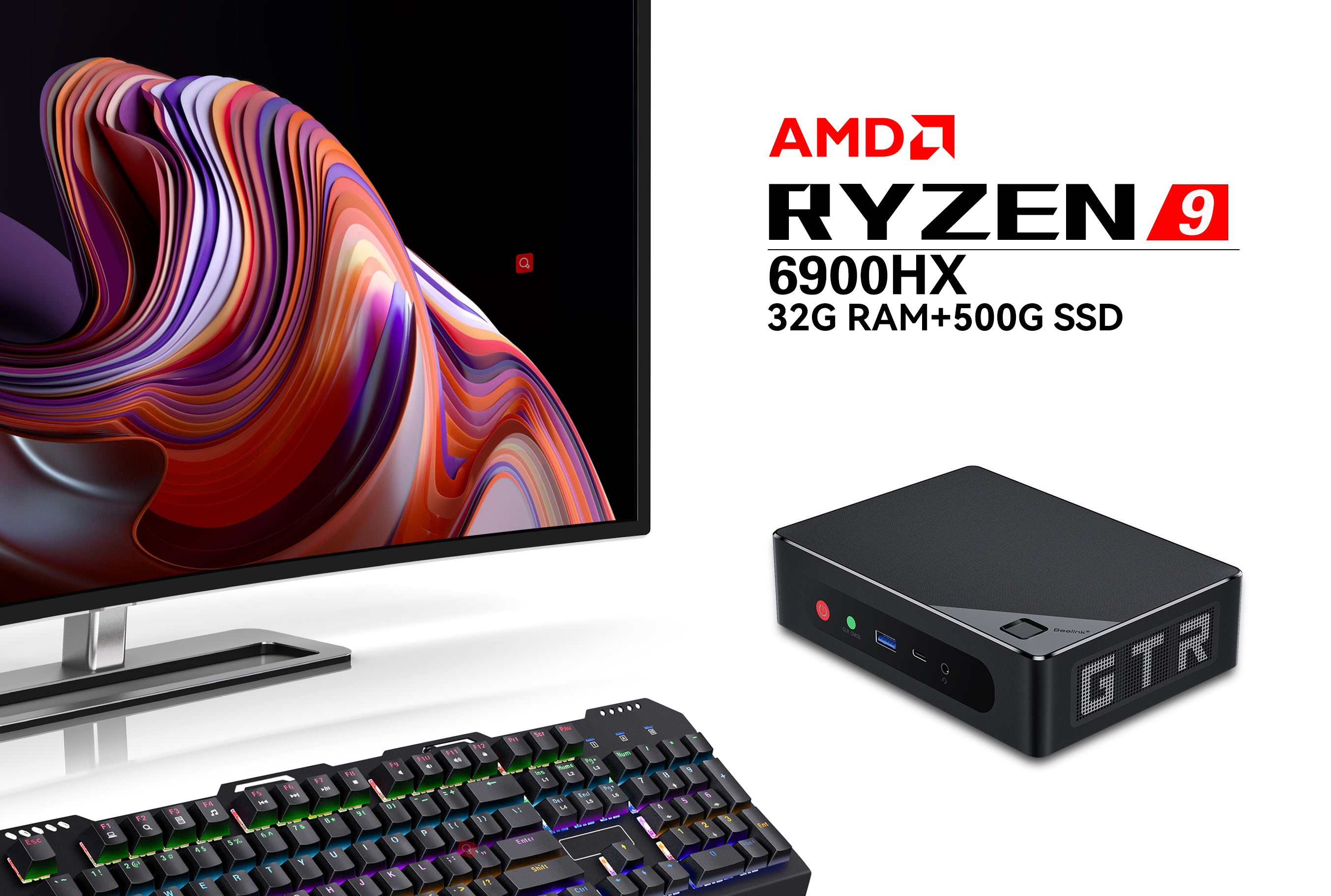
This is where cheaper options come in. Personally, I use an Intel NUC that looks like the worlds tallest drink coaster, but sits unseen on the back of a shelf on my computer desk. I decided on the NUC because it's small and doesn't use a lot of electricity. Intel is no longer making these particular computers, but you can find plenty of alternatives often for under $500 (USD).
Here's a few alternative options:





I have my hardware. Now what?
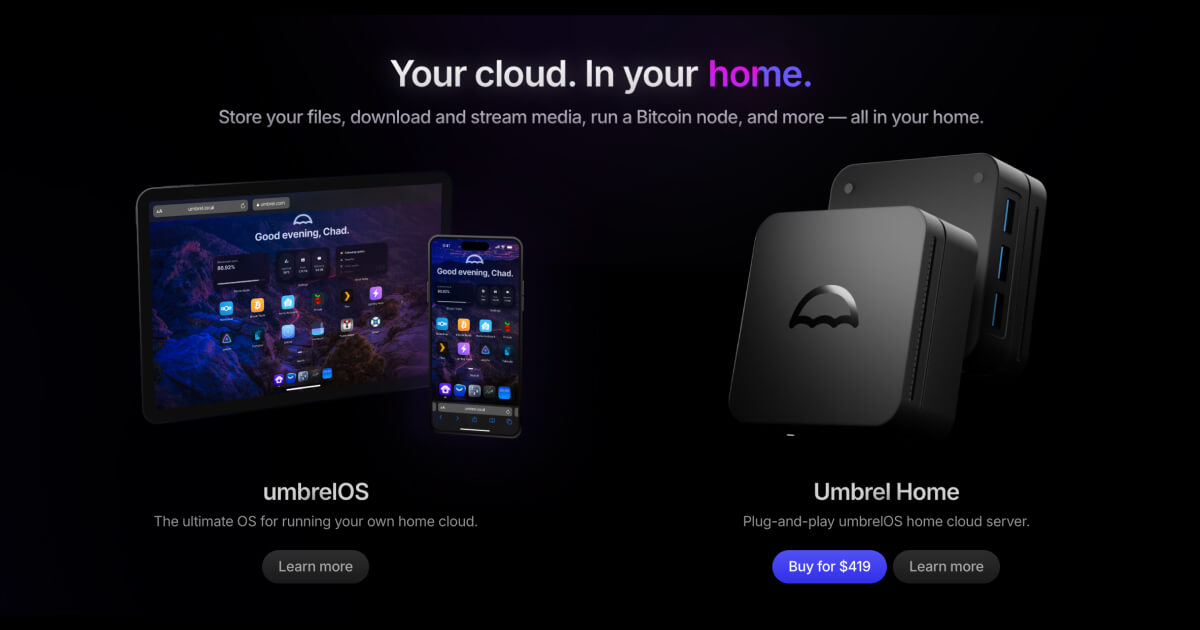
Now that you have a super server, an old used laptop or a mini PC, what do you do with it? This is where you'll need a little bit of technical knowledge. There are plenty of software and operating system (OS) options that you can use. Some of them are pretty simple and some a bit more complicated. I use Proxmox on my server because it allows me to easily spin up virtual machines (VM) and Linux containers (LXC). If Proxmox seems too complicated for your tastes then there are plenty of other options.
Here's a few you can check out and find out which one best suits your needs and knowledge:


What do I do now?
Let's assume you have your hardware and an operating system of some sort. Now what? Make a list of all of the cloud services that you use and start researching self-hosted alternatives. Some of these alternatives can be quite complicated at first, but most of them have their own websites or GitHub where you can find support if you run into any issues.
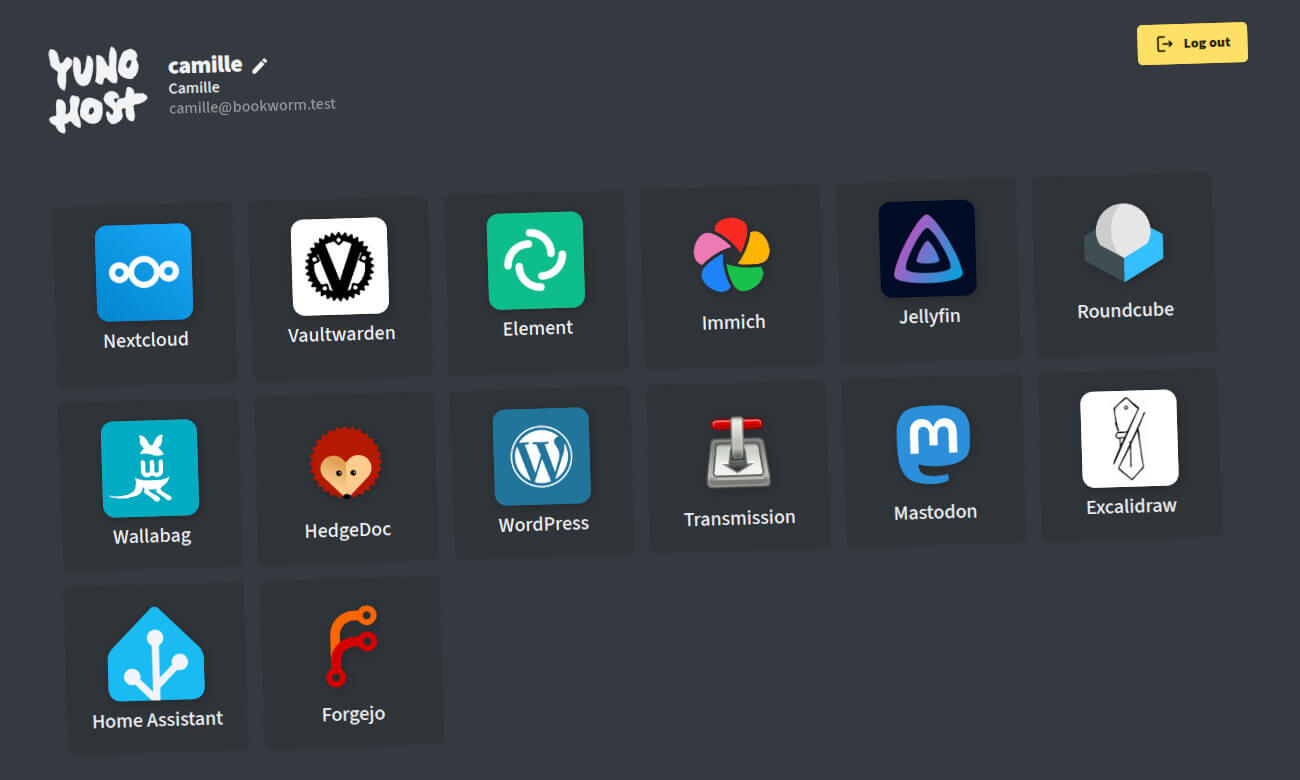
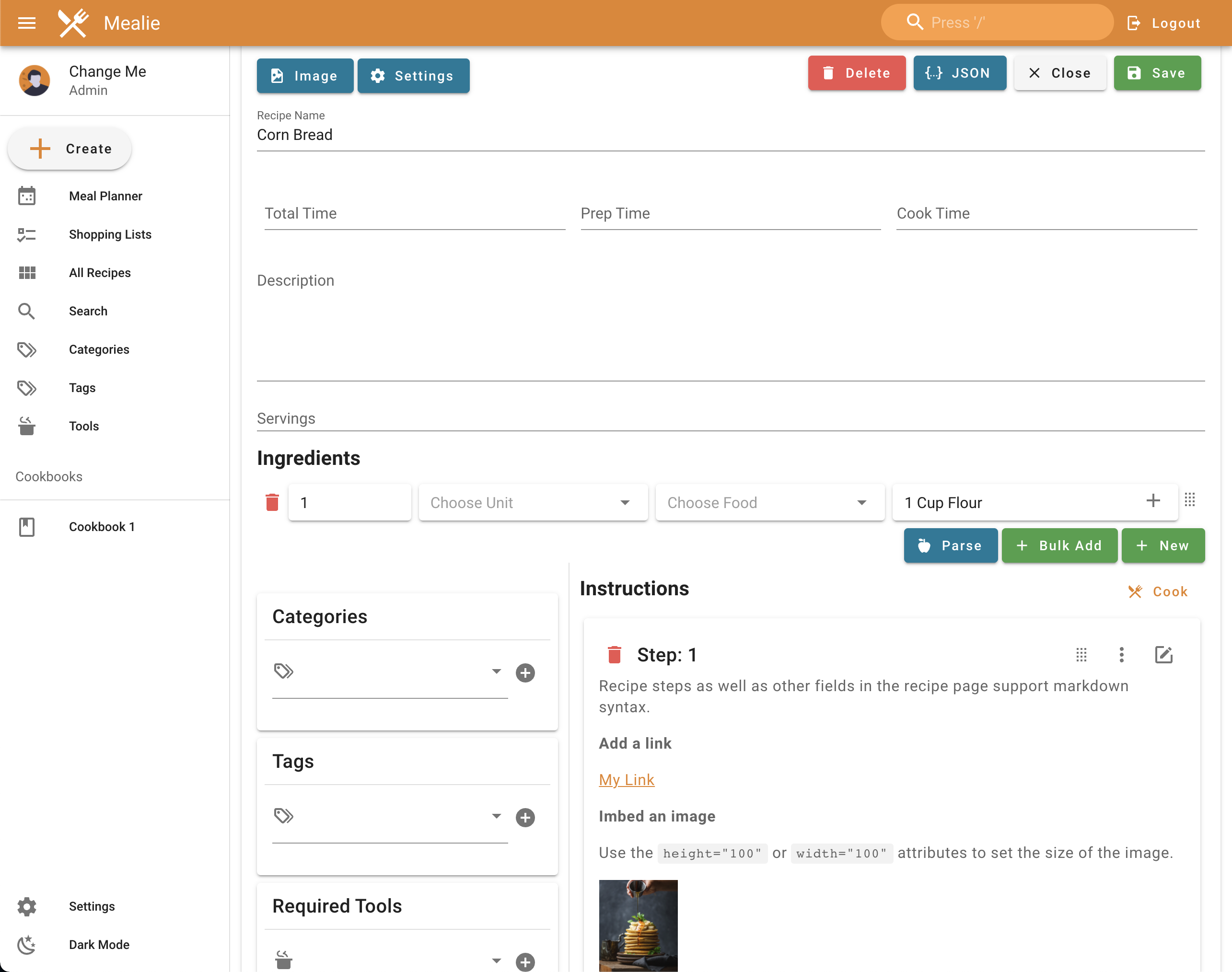
Here are some of my favorite self-hosted apps in 2025:

 Home Assistant


I don't want to have a server in my house!
That's fine. There's plenty of other alternatives to setting this all up yourself. You can always purchase a cheap Virtual Private Server (VPS). These can range from $5/mo to hundreds per month, depending on how much you are trying to self-host. A decent VPS can be had for a reasonable price, but most of the time you are still responsible for maintaining updates and security for your VPS. There are also certain apps that you may not want to worry about downtime and inaccessibility like a website (this one). That's where managed servers come into play. Personally, I use PikaPods to host this website, but host all of my other apps on the NUC in my house. It's not the end of the world if my server goes down for a little bit, but I prefer for the website to remain accessible to the public. This also helps me with not having to open my server to the public and risk security issues. I used to have my website self-hosted on my server, but I often need to take things offline or restart the server which would also take down my website while I performed maintenance. This is something to keep in mind if you live somewhere with regular power and/or internet outages.
Want to read more about self-hosting?
Here's a few of my favorite websites for staying up-to-date on self-hosting news and new apps that I might find useful.

 Jeremy